

Contributors
More »Sari: A timeless garment in turbulent times
23/12/2025
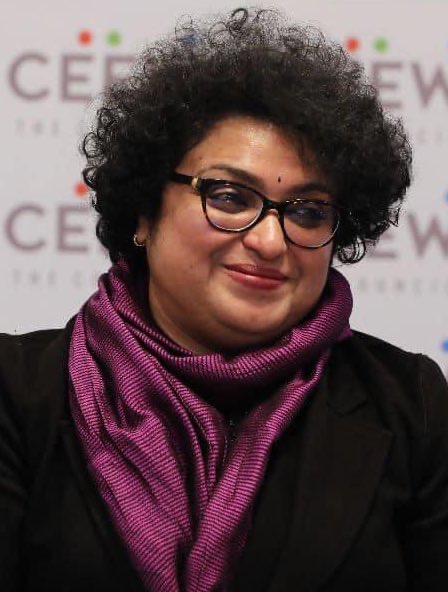
(Co-authored with Pramod Sinha)
Even as exports face difficulties, sari endures as more than fabric—a repository of memory, identity and quiet resilience
In December 1975, a newspaper editorial mentioned India’s sari exports for the fiscal year 1974-751. Valued at just over Rs 7.5 crore—equivalent to roughly $9 million …
As India approaches the Union Budget for 2026-27, the fiscal landscape is poised at a critical juncture. With the economy recovering from global disruptions and aiming for sustained high growth, the budget presents an opportunity to recalibrate policy frameworks in line with developmental imperatives.
Drawing from my research on public …
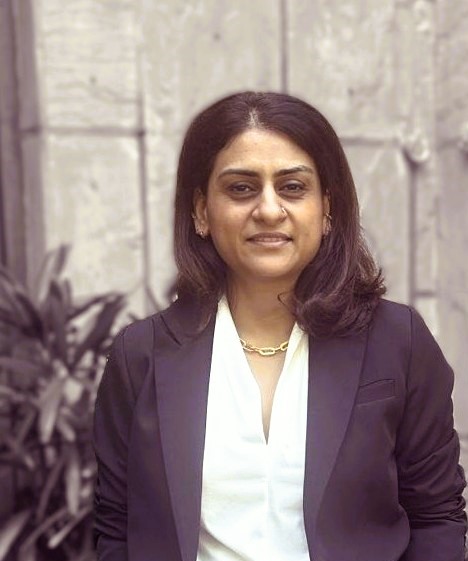
(Co-authored with R. Kavita Rao)
Trends in corporate investment
Indian policy makers are focused on addressing slowdown in private investment. As increase in investment can spur long term growth. In terms of composition, share of private non-financial corporate investments in gross capital formation remained largely unchanged in the last decade, …
AI and Fiscal Policy
16/12/2025

(Co-authored with Lekha Chakraborty)
The rapid ascent of artificial intelligence (AI) promises substantial productivity gains and improved public services but poses significant challenges to labour markets and fiscal stance. AI is already reshaping core public-finance functions - revenue forecasting, tax and customs compliance1, social programme targeting, procurement, auditing, …

As artificial intelligence reshapes financial services—from credit scoring to fraud detection—regulators worldwide are racing to balance innovation with stability, ethics, and inclusion. This global analysis compares key frameworks in Singapore, the European Union, the United Kingdom, and the United States, while highlighting insights from standard-setting bodies like the BIS, FSB, …